For most of the year, Sugarloaf Marina looks like exactly what it is: a working boat ramp at mile marker 17, a few charter captains loading coolers before dawn, maybe a line for gas. Then every August, something changes. A registration window opens online, and within 48 hours it closes again, every slot claimed, a waitlist already forming for people who didn't move fast enough.
That's not a Black Friday sale. That's the Sugarloaf Showdown, and if you live on this island, you've probably noticed the marina getting busier in November without knowing exactly why a fishing tournament moves faster than almost anything else on the local calendar.
The 48-Hour Sellout
The Lower Keys Guides Association runs the Showdown as a fundraiser, and the math on why it fills up so fast is simple once you see it. The field is capped at 30 boats. Registration opens exclusively to current LKGA members first, then to the general public only if space remains. Last year, it didn't remain long. The 2025 tournament reached full capacity in under 48 hours, according to the Lower Keys Guides Association, with a waitlist forming almost immediately after.
This year's 13th annual event runs November 12 through 14, and the registration structure followed the same pattern: LKGA members got first access starting August 1, with public registration opening August 15 only if slots were still open. Entry runs $350 per boat to register online in advance, or $300 in cash or check at the captains' meeting for anyone who waits.
If you're wondering why a catch-and-release fishing tournament commands that kind of demand on a small island, the answer isn't really about the fish. It's about what 30 boats and roughly 79 people packed into two days on the backcountry flats can tell you about the fishery itself.
Two Days, One Line at 5:30
The Showdown runs on a tight schedule that turns the marina into the busiest patch of pavement on the island for exactly three days. Thursday evening is check-in, a rules meeting, and the opening of a silent auction, all held right at Sugarloaf Marina, next door to Sugarloaf Lodge. Friday and Saturday are fishing days: boats check in with a scorekeeper between 6:30 and 7:30 a.m., lines go in at 7:30, lines come out at 4 p.m., and every team has to be back and checked in by 5:30 p.m. sharp. Miss that window and a scoresheet doesn't count.
That kind of discipline matters because the tournament targets three specific species on fly and spin tackle: bonefish, permit, and barracuda, all catch-and-release. Teams photograph every fish in the water and release it, which means the only record of who caught what is a scorecard and a photo, not a cooler.
The Number the Highlight Reel Skips
Here's the detail that tells you more about the Lower Keys flats than any brochure will. In the 2025 tournament, 79 anglers and guides fishing hard for two full days landed 138 fish across the three target species. Of those, 62 were barracuda and 74 were bonefish. Only two were permit.
Two permit, caught by some of the most skilled guides working this fishery, over two full days of dedicated effort from nearly 80 people. That's not a fluke season. Guides who've worked these flats for years describe permit as harder to find than they were a decade ago, and a scorecard like that from a tournament built specifically to reward catching them backs up what the guides are already saying on the water. It's also part of why the Lower Keys Guides Association has spent years pushing for protections like seasonal closures around known spawning sites, work that has nothing to do with tournament weekend and everything to do with whether there's a fishery left to fish.
Jessyca LaBadie, the tournament director and operations manager for LKGA, put it simply when talking about what the weekend is actually for.
"It's a chance for our community to come together, spend time on the water with family and friends, and celebrate the incredible fishery that makes the Lower Keys so special."
Why a Fishing Tournament Needs a Trust Fund
The entry fees and the silent auction proceeds don't go to prize money. They go to the Guides Trust Foundation, a nonprofit built specifically to support Florida Keys fishing guides and their families during a medical crisis. Last year, the foundation used those funds to help multiple Lower Keys guides who were sidelined for months by serious illness, easing the financial pressure while they focused on getting better.
That detail matters more on an island like this than it would almost anywhere else. Guiding is self-employed, physically demanding work with no built-in safety net. If a captain gets hurt or sick and can't run charters, the income stops that day. The Showdown exists partly because the people who make their living on these flats understand that risk better than anyone, and they built a fundraiser around fishing because fishing is the thing they know how to do together.
The Lodge Behind the Awards Dinner
Saturday evening wraps with an awards celebration under the stars at the Sugarloaf Lodge grassy point, sponsored in part by Costa Del Mar and Papa's Pilar rum, with the silent auction closing out the night. It's the kind of low-key, tiki-adjacent gathering that's been part of the tournament's identity since it started as what organizers describe as a small, homegrown event.
One thing worth knowing if you've lived here a while: Sugarloaf Lodge, the property that's hosted this tradition for over a decade, went on the market in January for $45 million, a listing that includes the marina, the hotel, and the restaurant space currently leased to South of the Seven. Whatever happens with that sale, it hasn't touched this year's tournament plans, but it's the kind of thing locals keep half an eye on when a piece of the island's social calendar runs through a single privately owned address.
The Guides Association Doesn't Stop in November
The Showdown is the highest-profile thing LKGA does, but it's not the only thing, and knowing the rest of the calendar explains why the organization has enough credibility to sell out a tournament in two days. Recent LKGA activity includes:
- A "Get Trashed" marine debris cleanup held at Sugarloaf Marina in January, a drive-through drop-off where anyone bringing in a bag of collected debris was entered into a raffle
- An annual general membership meeting each February where members renew, get updates from the board, and hear what's coming next
- The March Merkin, a permit-focused tournament LKGA describes as the largest and most competitive catch-and-release permit tournament in the world
- Formal advocacy work, including a 2026 letter of support to state wildlife regulators backing a proposed seasonal closure to protect a bonefish spawning site, and opposition to a proposed rock mine near the Everglades Agricultural Area reservoir
None of that shows up in a tournament recap video, but it's the reason the Showdown carries weight beyond one November weekend. The people running it are the same people showing up to membership meetings in February and legislative hearings in Tallahassee, which is a different kind of commitment than simply hosting a fun weekend once a year.
What This Adds Up To
None of this requires you to own a flats skiff or know the difference between a bonefish and a barracuda to matter. If you live on Sugarloaf Key, the second week of November means a fuller marina, a busier stretch of Overseas Highway near the Lodge, and a Saturday night with a party happening at the grassy point whether you're fishing or not. The scarcity isn't manufactured for effect. A field that caps at 30 boats and fills in two days is telling you something real about how many people want in on this particular stretch of backcountry water, and a scorecard with two permit against 74 bonefish is telling you something real about what that water can still produce.
That's the kind of detail you only pick up by paying attention to the place itself, not by reading a tourism brochure about it.
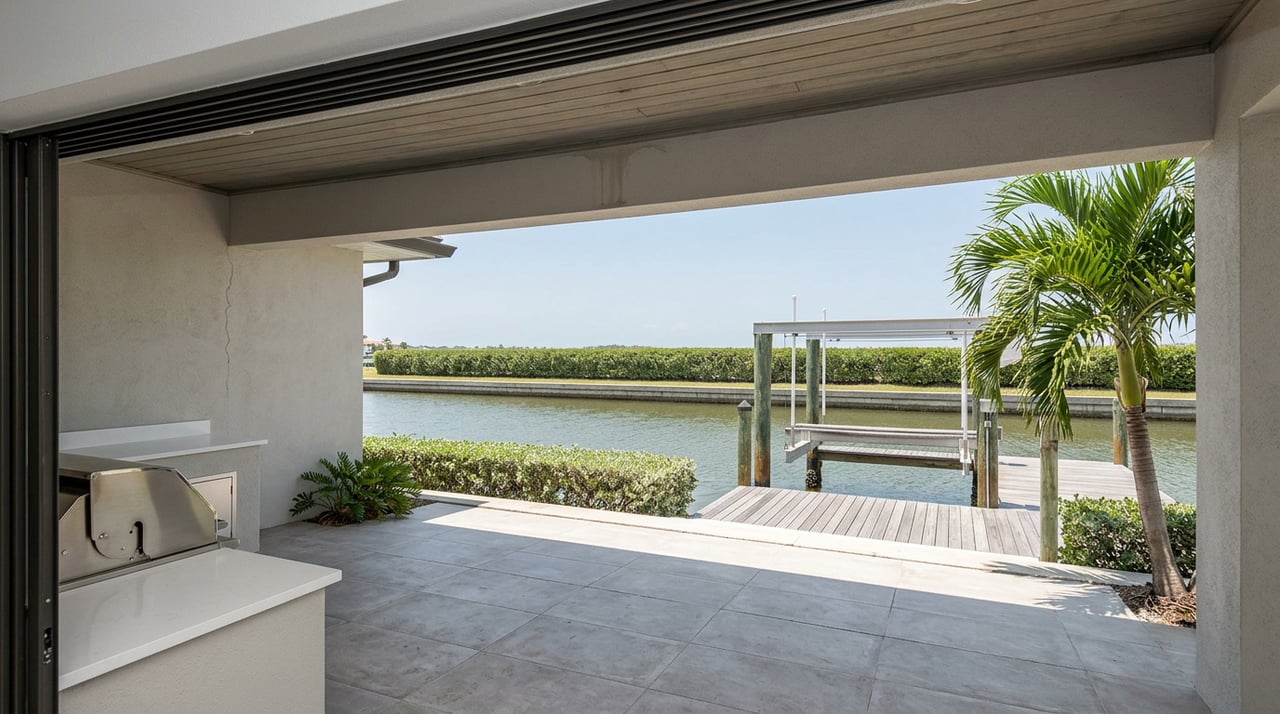
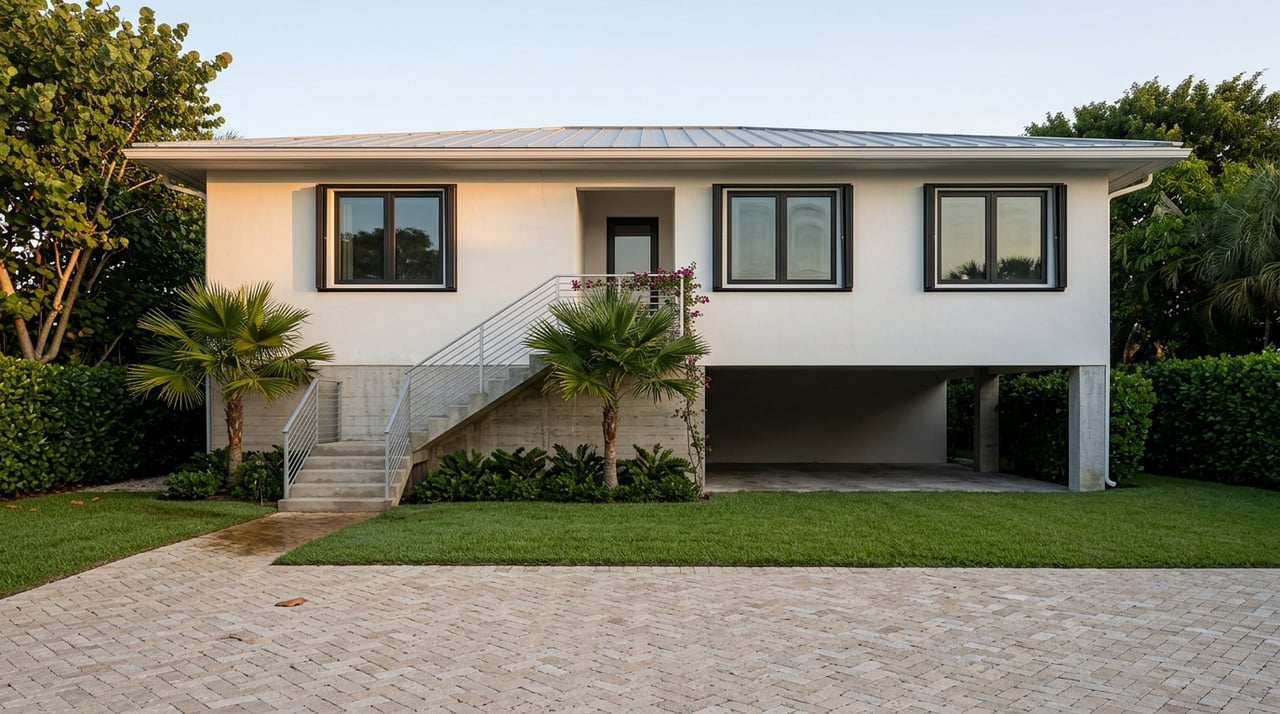
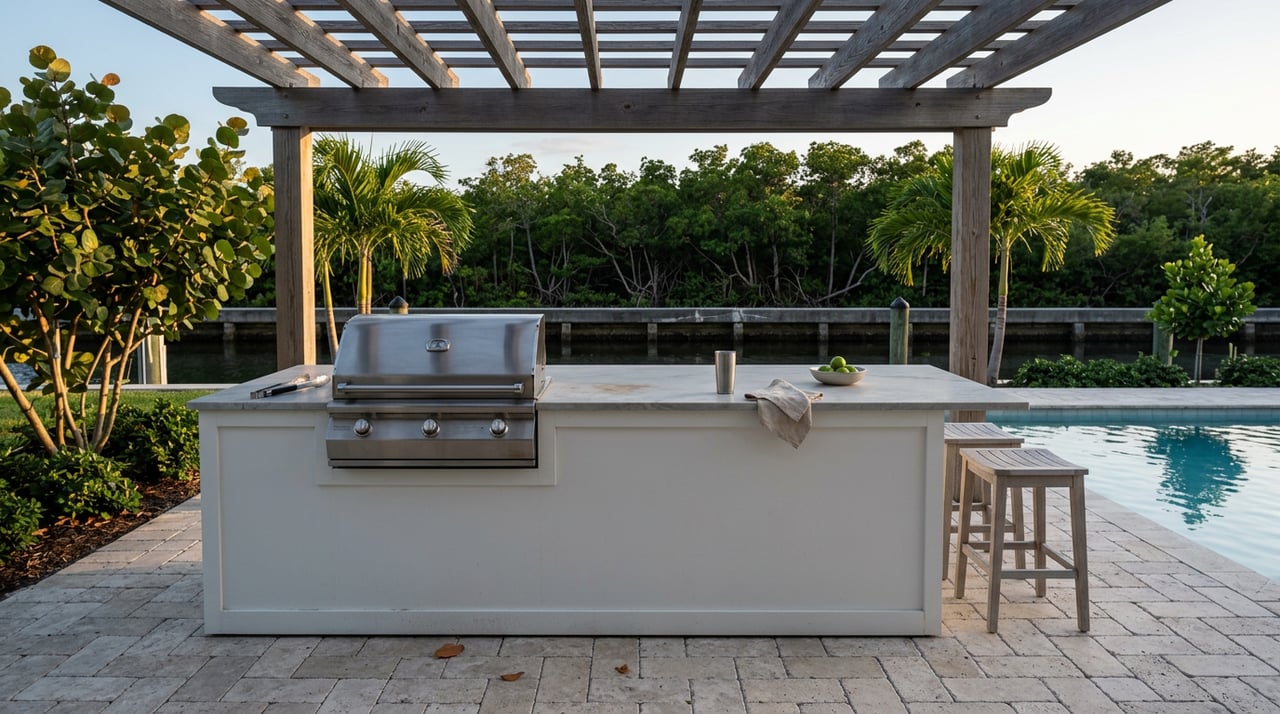
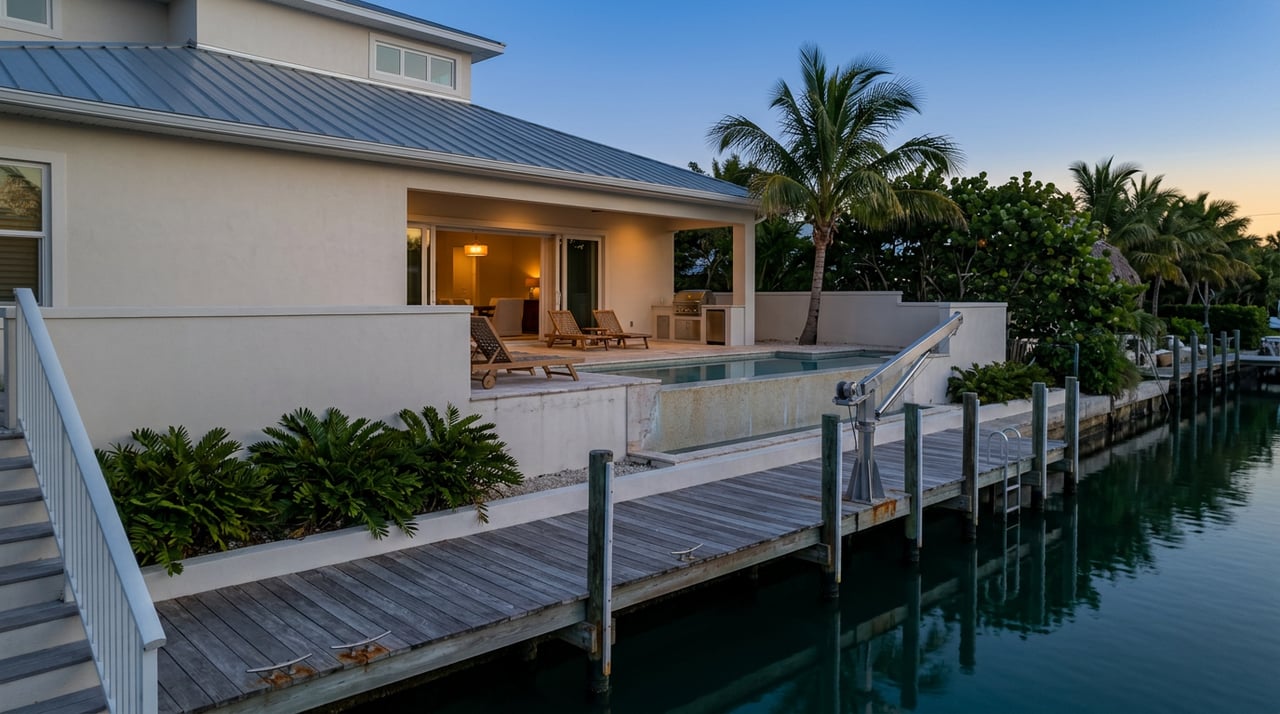
If you're curious about life on Sugarloaf Key beyond tournament season, or you're weighing what waterfront access actually looks like on this stretch of the Lower Keys, Jill Whitlatch has spent years learning these islands from the water up. Let's Connect.