If you price your Key West home based on hope instead of local evidence, you could lose the strongest buyers before they ever book a showing. That is especially true in a market where buyers have options and often compare homes carefully before making an offer. If you want to protect your timing and your negotiating position, you need a list price that reflects how Key West buyers actually shop today. Let’s dive in.
Why pricing matters in Key West
Key West is not a market where you can safely assume any well-located home will sell fast. Current market snapshots point to a more balanced environment in Key West, with broader Monroe County reading even softer in some reports.
The exact numbers vary by source and month, but the pattern is consistent. Recent data shows homes taking roughly three to four months to sell in some snapshots, with sale-to-list results landing below asking on average. In practical terms, that means buyers have time to compare condition, location, flood risk, and future costs before deciding what they are willing to pay.
That is why strategic pricing matters so much. If your home enters the market too high, it can sit, lose momentum, and force price cuts later. A strong price from the start is often what creates the early interest that sellers want.
Start with the right Key West micro-market
One of the biggest pricing mistakes in Key West is using island-wide averages as if every home competes with every other home. It does not. Key West has meaningful price differences from one pocket of the city to another, and recent neighborhood-level data shows a wide spread in listing prices and days on market.
That means your home should be priced against the most similar recent sales, not a generic city median. A canal-front home, an inland cottage, and a historic Old Town property may all sit within Key West, but buyers will not value them the same way.
Old Town homes need Old Town comps
If your property is in one of Key West’s historic districts, that status should shape the pricing conversation right away. The city’s historic district map and review framework make clear that preservation rules apply in many areas, and exterior changes may require a Certificate of Appropriateness.
For buyers, that can affect both appeal and future costs. A well-kept historic home with compatible updates and documented approvals may command stronger interest than a similar-looking home with unclear renovation history. That is why Old Town homes should be measured against other historic or preservation-sensitive sales, not against a broad island average.
Waterfront and canal-front homes are their own category
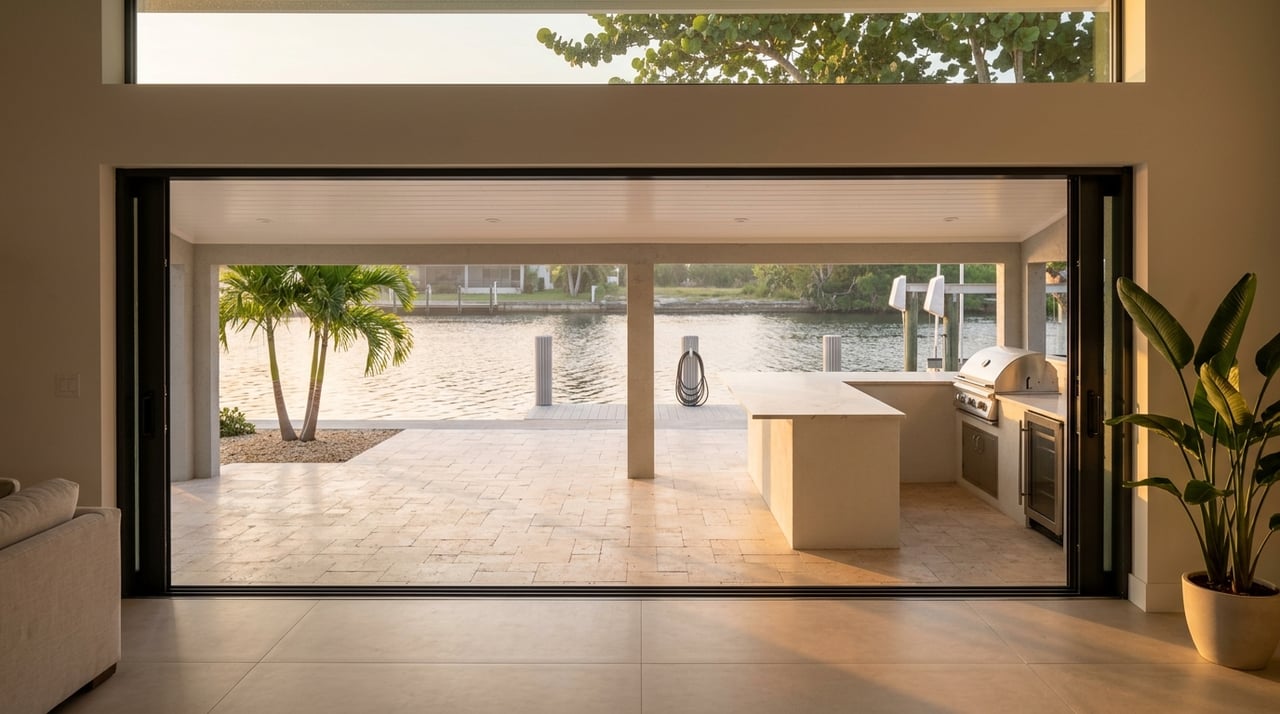
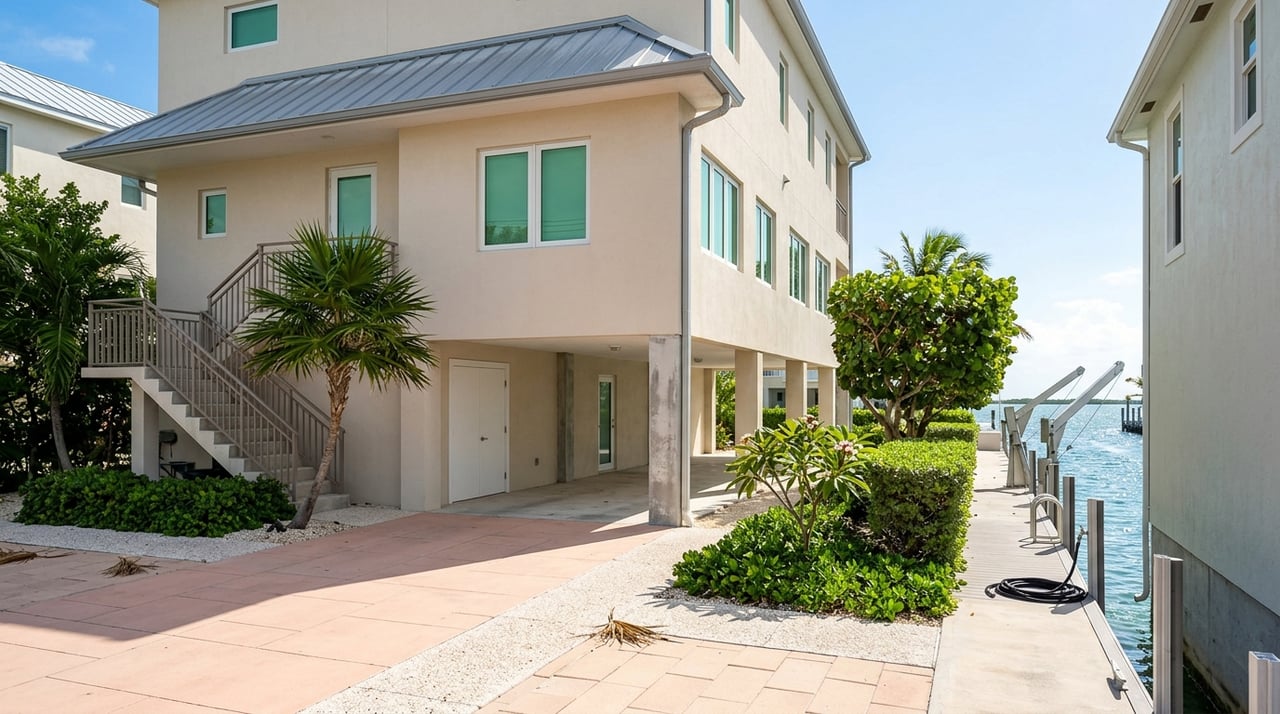
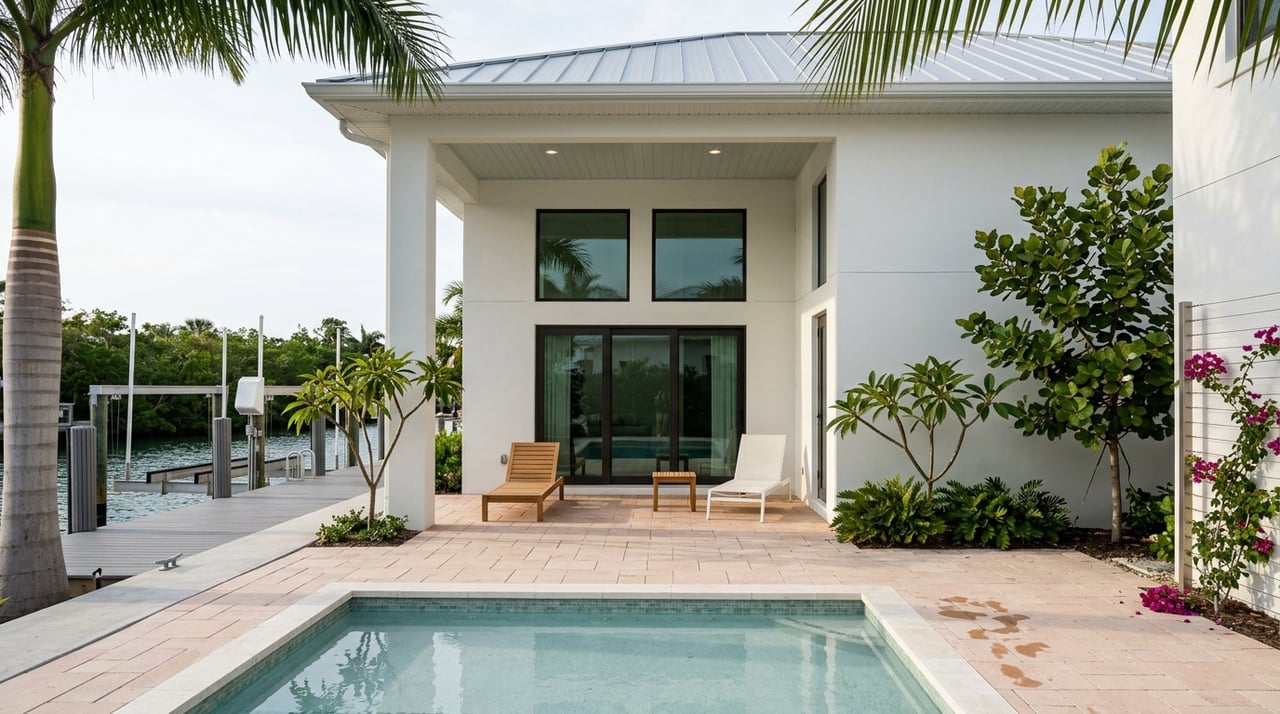
Waterfront and canal-front homes also deserve their own set of comps. In the Keys, boating access, dockage, elevation, and flood exposure can change value in a way that bedroom count alone cannot explain.
Jill Whitlatch’s brand is built around this local reality. Buyers who want water access are often looking closely at practical details like canal position, storm-ready construction, impact openings, and how easy it is to enjoy the property day to day. When those features line up well, they can strengthen pricing. When they do not, buyers usually notice quickly.
Flood zone affects price more than many sellers expect
In Key West, flood zone is not a minor detail. The city notes that many inland areas are in A zones, while land closer to the shoreline is often in V zones, where building standards are stricter.
That matters because buyers are not only buying a view or a lot location. They are also thinking about insurance costs, rebuilding standards, and the long-term practicality of the home. Two properties with similar square footage can support different prices if one has a more favorable elevation profile or better floodplain documentation.
Elevation can support value
Elevation is a real pricing input in Key West. The city states that elevation helps reduce flood damage, and additional freeboard may help lower flood insurance rates.
So if your home sits higher, has an elevation certificate, or has records that show thoughtful flood-conscious improvements, that can strengthen your position. On the other hand, if a buyer sees uncertainty around elevation or future compliance, they may factor that into their offer.
Condition is not just cosmetic in Key West
In many markets, sellers think condition mostly means paint, flooring, and kitchen updates. In Key West, condition can also mean something more expensive: whether the property may trigger future code or flood-related costs.
The city defines substantial improvement as renovation work over a one-year period that reaches or exceeds 50% of the building’s market value before work starts. For some older homes, especially those built before the end of 1974, that can be a major issue because grandfathered flood status may be lost if substantial improvement is triggered.
This is one reason deferred maintenance can hurt value more than expected. Buyers may not just subtract repair costs. They may also discount for uncertainty, permitting complexity, or the risk of having to bring the home into closer compliance later.
Storm-ready features help buyers feel more confident
In historic areas, the city allows certain storm-protection options, including impact-resistant windows and code-compliant panels, when they remain visually compatible. Outside the historic context, buyers still tend to value practical storm-hardening features for the same reason: they reduce hassle and may improve the ownership picture.
If your home already has documented upgrades such as impact openings, shutters, or other permitted improvements, that can support a cleaner pricing story. Buyers generally respond better when they can see what has been done and how it was handled.
Use the right comparable sales
A strong pricing strategy depends on using the right comps, not just the closest ones by size. In Key West, the best comps are usually recent sales that match your home’s micro-market, flood profile, historic status, and overall lifestyle appeal.
For example, a historic Old Town home should not lean heavily on a newer non-historic sale just because the square footage is similar. A canal-front home should not be valued like an inland property with no dockage or water access. The more your comp set reflects how buyers narrow choices in real life, the more useful your price range becomes.
Countywide data is only a starting point
Monroe County data can offer helpful context, but it should not control a Key West list price. Current reports show that pricing behavior can differ between Key West and the county overall.
That is why same-island, like-kind comps carry more weight. Countywide numbers may help explain the broader market mood, but your list price should be built around the homes buyers will actually compare to yours.
Why overpricing usually backfires
It is easy to think you can start high and adjust later if needed. In a market with slower timelines and many homes selling below asking, that approach often works against you.
Recent data shows Key West homes selling below list on average, and a large share of sales closing under asking. When buyers see a home linger, they may assume the seller is unrealistic or the property has issues. That can weaken urgency and make later reductions less effective than a sharp opening price would have been.
A strategic price does not mean underpricing your home. It means pricing it close enough to market that qualified buyers engage early, compare it favorably, and feel motivated to act.
Timing helps, but price still leads
Seasonal activity can influence visibility. Recent local reporting suggests spring and fall often bring more activity.
Still, season should be treated as a secondary factor. More exposure during an active window can help, but it does not fix a list price that is disconnected from the market. If the price misses the mark, buyers will keep moving.
A smart pricing checklist for Key West sellers
Before you set your list price, make sure you can answer these questions clearly:
- Is your home being compared to the right Key West micro-market?
- If it is in a historic district, have you considered HARC-related buyer expectations?
- If it is waterfront or canal-front, are dockage, water access, elevation, and flood zone reflected in the price?
- Do you have records for permits, impact upgrades, shutters, or elevation-related documents?
- Are you pricing based on recent sold data rather than active-listing wish lists?
- If buyers compare your home to the strongest nearby alternatives, does your price still make sense?
When those answers are grounded in local facts, your pricing strategy becomes much stronger.
If you are preparing to sell in Key West, a careful pricing plan can protect both your timeline and your bottom line. For guidance that is local, detail-focused, and grounded in how buyers evaluate Keys homes, connect with Jill Whitlatch.
FAQs
How should you price a historic home in Key West?
- You should compare it to recent sales of similar historic or preservation-sensitive homes, because HARC rules, exterior approval requirements, and documented upgrades can affect buyer demand and future costs.
Does flood zone matter when pricing a Key West home?
- Yes. In Key West, inland areas are often in
Azones while shoreline properties are often inVzones, and that difference can affect building standards, insurance considerations, and what buyers are willing to pay.
Can you use Monroe County comps for a Key West home?
- Countywide data can help with market context, but same-island, like-kind Key West comps are usually more persuasive because pricing behavior can differ between Key West and Monroe County overall.
Why does overpricing hurt a Key West listing?
- Current market data shows many homes selling below asking and taking time to sell, so an aggressive price can cause your listing to sit, lose momentum, and require reductions later.
Do waterfront and canal-front homes in Key West need separate comps?
- Yes. Buyers often evaluate boating access, dockage, elevation, flood exposure, and insurance burden alongside size and condition, so water-adjacent homes should usually be priced as their own submarket.